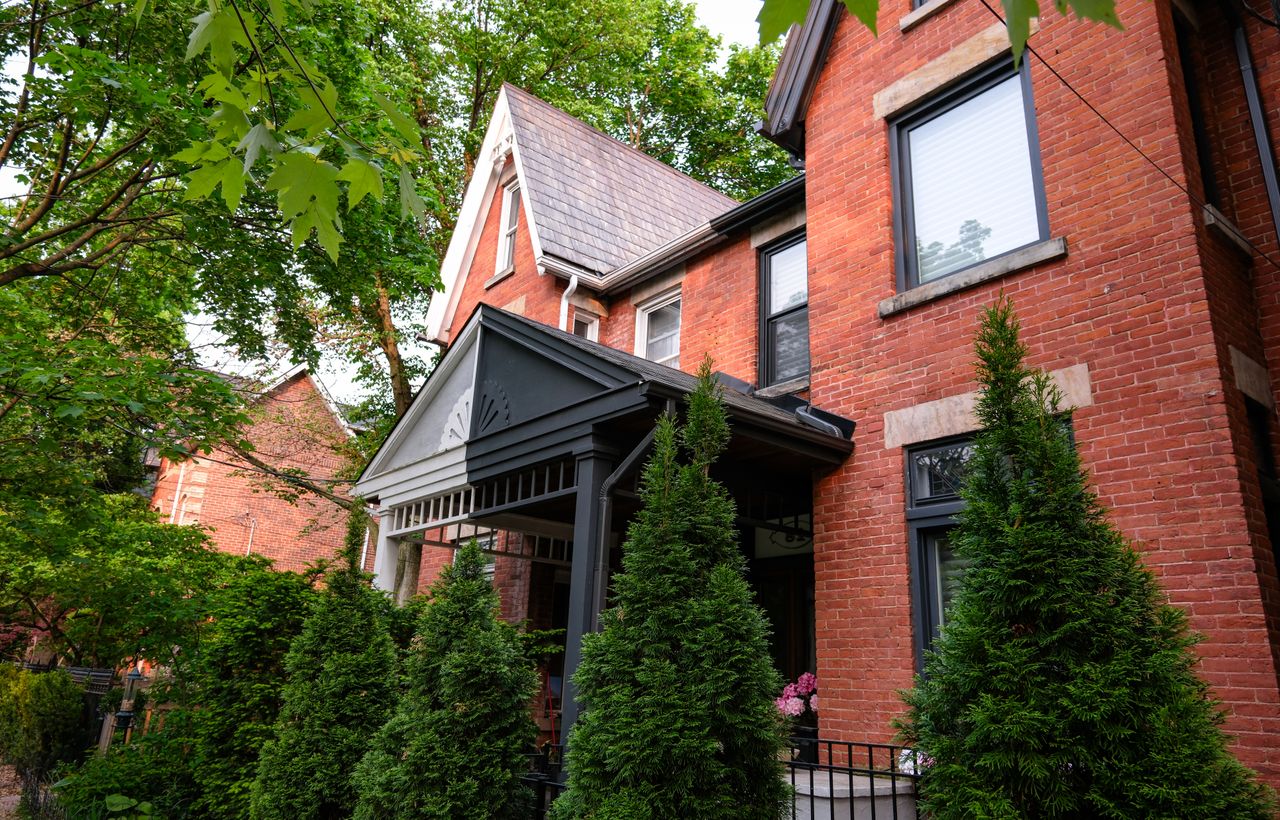
A first halal purchase: where to start
A first halal purchase follows the same broad steps as a conventional one, but with fewer providers, sometimes longer timelines and often a larger down payment. Start preparing twelve to twenty-four months before your target date.
Pick the contract before the house
Murabaha, ijara and diminishing musharaka differ in who holds title and how stable payments are. On a tight budget, a fixed payment can be reassuring, while reviewable rent may start lower. Compare before you start house hunting.
Down payments often above insured-mortgage minimums
For an insured conventional mortgage, the minimum is 5% on the first $500,000, then 10% up to $1.5 million. Halal providers set their own rules; see our page on the halal mortgage down payment.
An FHSA invested in compliant holdings
The FHSA lets you contribute $8,000 a year up to $40,000, with a tax deduction and tax-free withdrawal for a first home. To avoid interest, many hold sharia-screened index funds or stocks inside it rather than deposits.
The Home Buyers' Plan: up to $60,000 from your RRSP
The Home Buyers' Plan lets you withdraw up to $60,000 from your RRSP for a first home and repay it over fifteen years. It does not depend on the financing type, but CRA conditions must be met.
The federal tax credit in the year you buy
The federal first-time home buyers' tax credit is based on a $10,000 amount, worth up to $1,500. You claim it on the tax return for the year of purchase. An accountant can confirm your eligibility.
Land transfer tax refunds by province
Ontario refunds up to $4,000 of land transfer tax to first-time buyers, and Toronto offers a separate municipal rebate. If the provider is on title, your lawyer must confirm access to these refunds. Elsewhere, check with your province and municipality.
A thin credit file after avoiding interest
Many young Muslims avoid cards and loans and so have a thin credit file, yet halal providers still check credit bureaus. Read our guide on credit scores for a halal mortgage to build a history.
Get pre-approved before viewing homes
Halal providers often have limited funding capacity and waiting lists. A pre-approval for halal home financing confirms your budget, required down payment and real timelines before you view homes or make an offer.
When the first-time buyer is also a newcomer
A recently arrived first-time buyer faces two challenges: local credit history and proof of stable income. Some providers accept a larger down payment; our page on halal financing for newcomers covers these situations.
Budgeting beyond the monthly payment
Beyond the payment, plan for land transfer tax, notary or lawyer, inspection, appraisal, moving and a maintenance fund. New owners also face municipal taxes and energy bills; keep a reserve for the months after closing.
Thirty-year amortization and the federal context
Since December 2024, first-time buyers can get a 30-year amortization on an insured conventional mortgage. A halal contract follows its provider's terms instead. Federal Budget 2024 also announced it was exploring alternative products such as halal mortgages.
Roadmap for a first-time halal home buyer
- Open an FHSA and invest the savings in sharia-compliant holdings, ideally more than a year before buying.
- Check your file with both credit bureaus and correct any errors before applying for financing.
- Choose between murabaha, ijara and diminishing musharaka based on your tolerance for variable payments and the title question.
- Get a written pre-approval from a halal provider stating maximum price, down payment and processing times.
- Plan FHSA and Home Buyers' Plan withdrawals with an accountant so funds are available before closing.
- Make an offer conditional on financing and inspection, then have an experienced notary or lawyer handle closing.
- Ask the lawyer or notary to apply first-time buyer land transfer tax refunds where the structure allows.
First-purchase costs and the incentives that ease them
| Item | Possible help for first-time buyers | Check |
|---|---|---|
| Down payment | FHSA ($8,000 a year, $40,000 total) and Home Buyers' Plan (up to $60,000) | The halal provider's down payment requirement |
| Land transfer tax | Ontario refund up to $4,000 and Toronto municipal rebate | Eligibility if the provider is on title |
| Income tax | Federal credit up to $1,500 | CRA conditions |
| Legal fees and inspection | No general help | A few thousand dollars in total (indicative) |
| Profit margin or rent | No subsidy | Compare with conventional mortgage rates |
Documents to prepare for a first halal purchase
- Recent Notices of Assessment and T4 slips
- Pay stubs and an employment letter
- FHSA, RRSP and bank statements showing the down payment
- Signed gift letter if a relative contributes to the down payment
- Written pre-approval from the halal provider
- ID and proof of status in Canada
- Accepted offer to purchase and, in Quebec, a certificate of location
Classic first-time buyer missteps in halal financing
- Leaving FHSA savings in an interest-bearing account when sharia-screened investments are available.
- Viewing homes without a halal pre-approval, then losing an accepted offer because financing was not ready in time.
- Assuming the 5% minimum for insured mortgages applies at every halal provider and running short at the last minute.
- Missing Home Buyers' Plan repayments, which adds the unpaid amounts to that year's taxable income.
- Putting every dollar into the down payment and keeping nothing for transfer tax, notary fees and early maintenance.
What first-time Muslim buyers ask
Can I use an FHSA with halal financing?
Yes. The FHSA is a tax-advantaged savings account and does not depend on the financing type. Qualifying withdrawals go toward buying a first home. The real issue is what the account holds: choose compliant investments rather than interest-bearing deposits.
Do halal providers accept a family gift for the down payment?
Many do, provided it is a true non-repayable gift backed by a signed letter and a bank trail. A family loan disguised as a gift can lead to refusal. Check the provider's exact policy before moving the funds.
Who counts as a first-time buyer?
It depends on the program. For the FHSA and Home Buyers' Plan, it generally means not having lived in a home owned by you or your spouse during a recent period set by the CRA. Provincial refunds have their own criteria.
Do first-time buyers pay more with halal financing?
Cost depends mainly on the down payment, credit profile and provider, not on first-time status. Halal offers often cost a little more than bank loans, but tax incentives remain available. Have an independent advisor compare total cost.
Canadian platforms and useful sources
- EQRAZ: murabaha home financing
- EQRAZ: murabaha mortgage information
- Tjara: halal home financing for purchase, renewal and refinancing
- Canadian Halal Financial Corporation: how the financing works
- Tjara: ethical advisory board and Shariah governance
Providers listed for information only; products and provincial coverage vary.