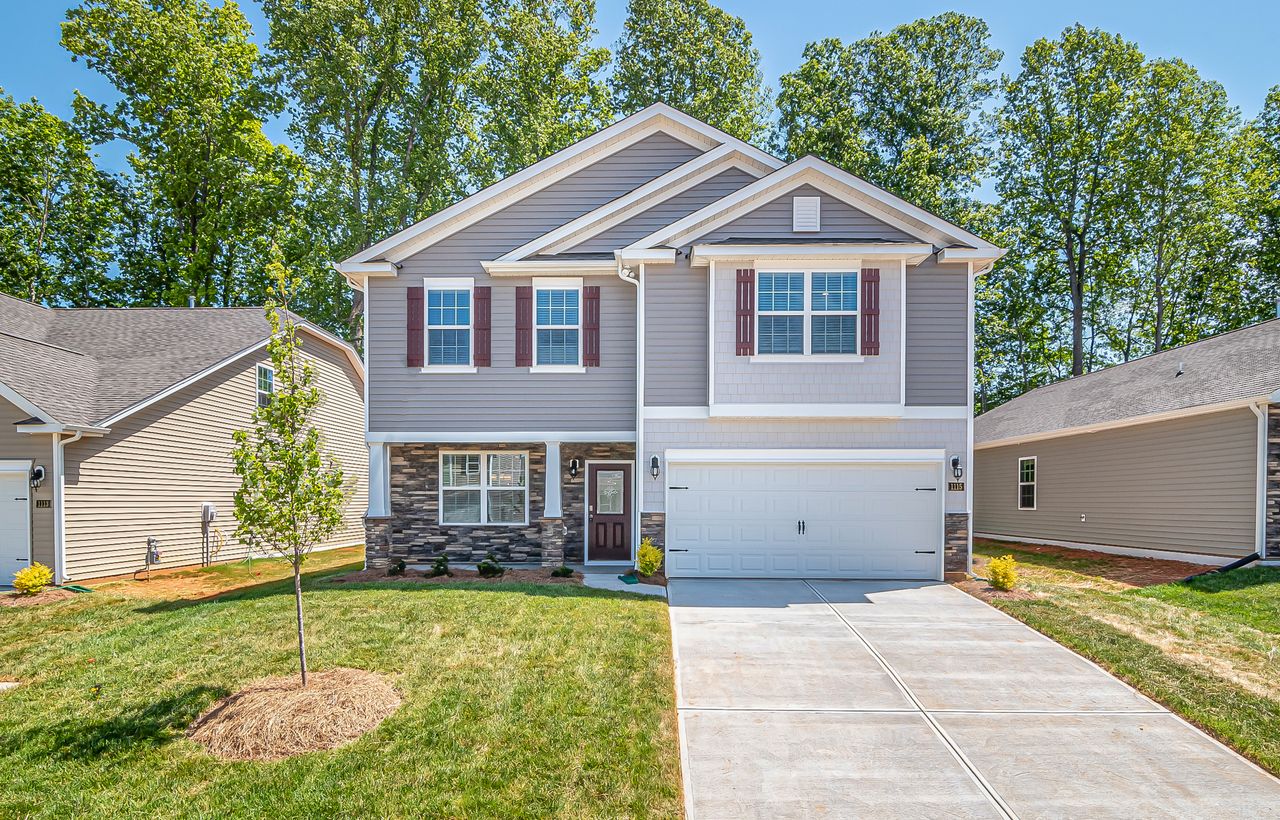
Residential ijara: renting before owning
In home ijara, the provider buys the house the client chose and leases it to them for an agreed term. The client lives there as at home and pays monthly rent. Ownership is transferred only at the end of the contract.
Who holds title during the lease
During the lease, title is usually registered to the provider or an entity it controls, sometimes a trust. You are therefore not the registered owner. That can complicate an early sale or access to some public programs.
Ijara muntahia bittamlik and the promise to transfer
The most common form is ijara muntahia bittamlik, a lease ending in ownership. The provider promises to transfer the home to you at the end, provided all rent has been paid. That promise is a document separate from the lease.
Gift or nominal sale: how the final transfer happens
According to many scholars, the lease and the final transfer must not be merged into one conditional contract. The transfer is therefore done by a separate deed, a gift or a sale at a nominal price, which may involve fees.
What your monthly payment contains
The monthly payment often combines two parts: rent on the share still owned by the provider and an amount that gradually buys the home. Ask for a month-by-month table separating the two so you know how much you really own.
Rent reviewed against a benchmark
Rent is often reviewed at fixed intervals using a market benchmark. According to many scholars, using a conventional rate purely as a pricing reference does not make it interest, but the rent for each period must be known before it starts.
Major repairs, insurance and taxes: who pays
In classic ijara, structural maintenance and building insurance fall on the owner, the provider, while everyday wear falls on the tenant. In practice, many contracts pass these costs to the client; read every clause before signing.
Protecting your family with mutual cover
The provider requires the building to be insured, and clients often want to protect their family in case of death. Some prefer takaful cover for halal financing, based on mutual help; check availability in your province and the actual benefits.
If the home becomes uninhabitable
Because the provider owns the home, the classic rule is that rent stops if it becomes uninhabitable through no fault of the tenant, for example after a fire. Check whether your contract follows this principle and how insurance proceeds are shared.
Default: ending the lease rather than foreclosure
After prolonged default, the provider can terminate the lease and take back the home instead of using a classic foreclosure. Amounts already paid toward the buyout must be accounted for. Have a lawyer or notary explain this scenario before signing.
Ijara or murabaha: how to decide
Ijara suits buyers who accept reviewable rent in a structure where the provider stays the owner. Fixed-price murabaha home financing instead gives you title immediately. The choice also depends on what providers offer in your province.
Sharia approval and term end to check before signing
Ask for the opinion of the sharia board that approved the contract and read our page on religious rulings on halal mortgages. Also check the term end, since renewing halal home financing can change the rent.
Steps to buy a home with ijara
- Compare providers offering ijara in your province and ask for a sample lease and promise to transfer.
- Get a pre-approval stating the down payment, starting rent, review frequency and the benchmark used.
- Sign the offer to purchase, providing that the provider or its entity will be the purchaser on the deed.
- Have a notary or lawyer review how maintenance, insurance and property tax are split between the parties.
- Attend closing, sign the lease and the promise to transfer, then receive the rent and buyout table.
- After the last payment, obtain the transfer deed in your name and confirm it is registered at the land registry.
How costs are split in a home ijara
| Item | Usually paid by | Note |
|---|---|---|
| Down payment | Client | Often higher than for an insured mortgage (indicative) |
| Monthly rent and buyout | Client | Rent reviewed using the benchmark in the contract |
| Municipal property tax | Per contract, often the client | Should be spelled out in writing |
| Building insurance | Owner in theory, often the client in practice | Check who receives the proceeds |
| Land transfer tax at purchase and final transfer | Depends on the structure | Have the risk of paying twice checked |
| Notary or lawyer | Client | Two legal steps: initial purchase and final transfer |
File to assemble for an ijara home
- Notices of Assessment and T4 slips for the last two years
- Pay stubs and an employment letter showing salary and seniority
- Recent bank statements showing how the down payment was saved
- Accepted offer to purchase and property listing
- Home inspection report
- Proof of home insurance before closing
- ID and permanent resident card or work permit
Common surprises with ijara
- Assuming you are the registered owner from closing, then discovering an early sale needs the provider's consent and involvement.
- Not asking about the rent benchmark or any cap, then facing a sharp increase in the next period.
- Accepting without reading a clause that shifts every owner risk to the client, including total destruction of the building.
- Forgetting to budget for the legal cost of the final transfer and possible land transfer tax when the contract ends.
- Signing a lease without a written promise to transfer, leaving no guarantee of ever acquiring the home.
Common questions about ijara for a home
Can I sell the home before the ijara ends?
Usually yes, but as the provider is the registered owner, it must take part in the sale. The price first buys out its remaining share, then the balance is yours. Ask in advance how that amount is calculated and what fees apply.
Can ijara rent go down?
If the contract reviews rent against a benchmark, it can rise or fall each period. Some contracts set a floor or a cap. Read the exact formula and ask for simulations under several scenarios before committing for a long term.
Who pays municipal taxes during the lease?
It depends on the contract. In many structures the client reimburses or pays them directly, like an owner. What matters is that this duty is written clearly, along with insurance and major maintenance, to avoid disputes later.
Do scholars accept ijara for homes?
According to many scholars, ijara ending in a transfer of ownership is acceptable if the provider truly bears the owner's risks and the transfer is done by a separate deed. Opinions differ on some details; consult a qualified scholar.
Canadian platforms and useful sources
- EQRAZ: murabaha home financing
- EQRAZ: murabaha mortgage information
- Tjara: halal home financing for purchase, renewal and refinancing
- Canadian Halal Financial Corporation: how the financing works
- Tjara: ethical advisory board and Shariah governance
Providers listed for information only; products and provincial coverage vary.